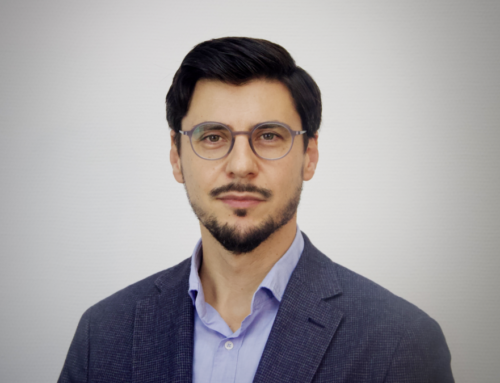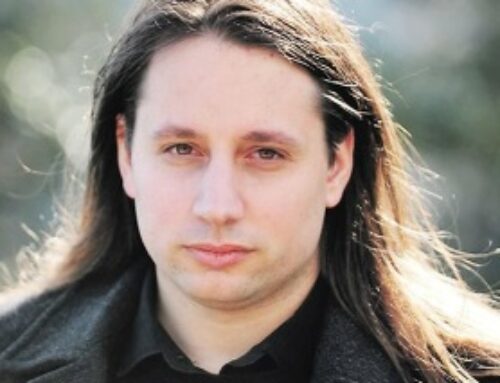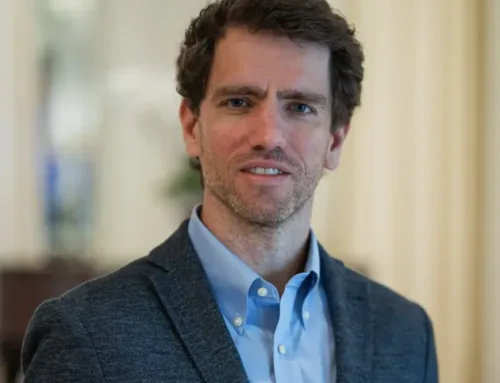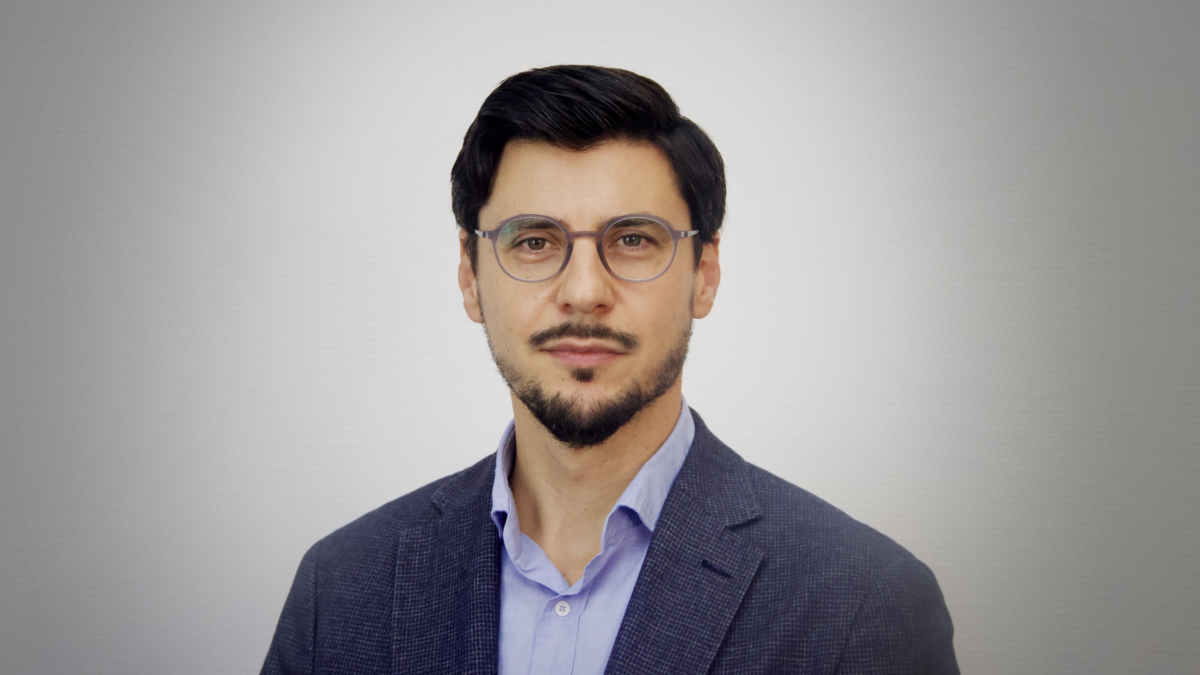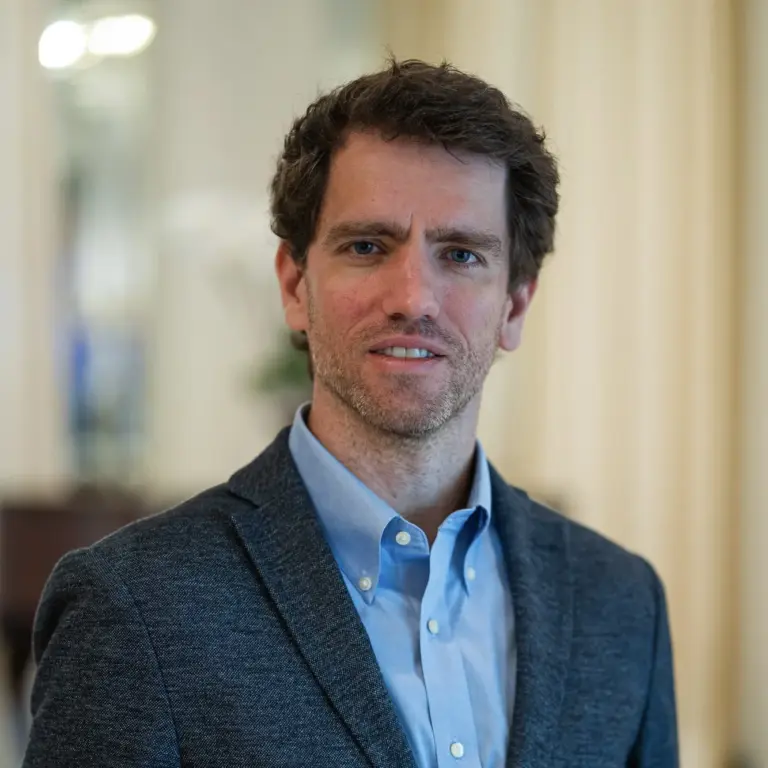

On Thursday, June 4th, 2026 at 12:00 PM (CET), we are hosting the CAS SEE Seminar with Robert Pichler on "Hopes and Realities of Return: Old Patterns and New Realities in the Western Balkans" in conversation with the RECAS Fellow Anxhela Lepuri.
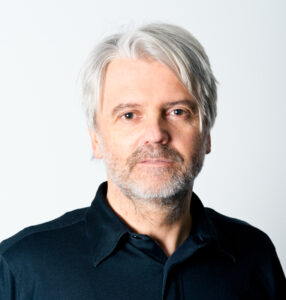
Robert Pichler
Robert Pichler is a Historical Anthropologist at the Institute for Habsburg and Balkan Studies, Austrian Academy of Sciences. In 2017, he received the venia docendi in Southeastern European History. He currently serves as President of the International Association for Southeast European Anthropology (InASEA) and sits on the board of the Center for Balkan Societies and Cultures (CSBSC). His research focuses on migration, social history—particularly family and kinship—nation-building, and visual studies. In addition to his academic work, he is also a photographer, integrating visual media into both scholarly and artistic projects.
About the Seminar
The socioeconomic and cultural development of Southeast Europe has been profoundly shaped by migration processes. In former Yugoslavia since the 1960s, and in Albania since the collapse of the communist regime, migration has become a central feature of social life and individual life trajectories. Migration research on the region has predominantly focused on emigration, and the Balkans are often portrayed primarily as a region marked by the large-scale outmigration of young people.
Yet migration does not simply imply rupture or detachment. Many migrants maintain close social, emotional, and economic ties to their places of origin and to their families. Remittances continue to constitute a crucial pillar of local and national economies across the region, while ideas and aspirations of return remain deeply embedded in migrant imaginaries and family strategies.
Historically, return migration formed an integral part of established migration patterns in Southeast Europe. Temporary labour migration, circular mobility, and the expectation of eventual return long shaped both migrant experiences and social structures in the region. In recent decades, however, return has become increasingly difficult to realize and often remains more an aspiration than a concrete social reality. The seminar explores the reasons for this development and its broader social, economic, and cultural consequences for the societies of origin.
Join Zoom Meeting
https://us02web.zoom.us/j/88989643663?pwd=VnZTOWRmdnl0WEZIdTczc1paZWtkdz09
Meeting ID: 889 8964 3663
Passcode: 328897
Fellowships
Fellowships are supported by OSF Western Balkans, ERSTE Foundation and Rockefeller Brothers Fund.
UNIRI The Moise Palace: Cres Island
An education center of the University of Rijeka. A five-hundred-year-old patrician townhouse and the largest Renaissance palace on the Croatian islands. A venue and forum for various scientific and research activities, it welcomes visiting academics, students and scholars.