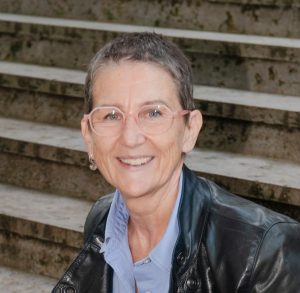
Sanja Bojanić
Executive Director
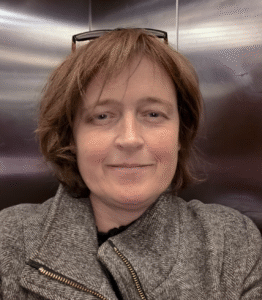
Sarah Czerny
Deputy Executive Director
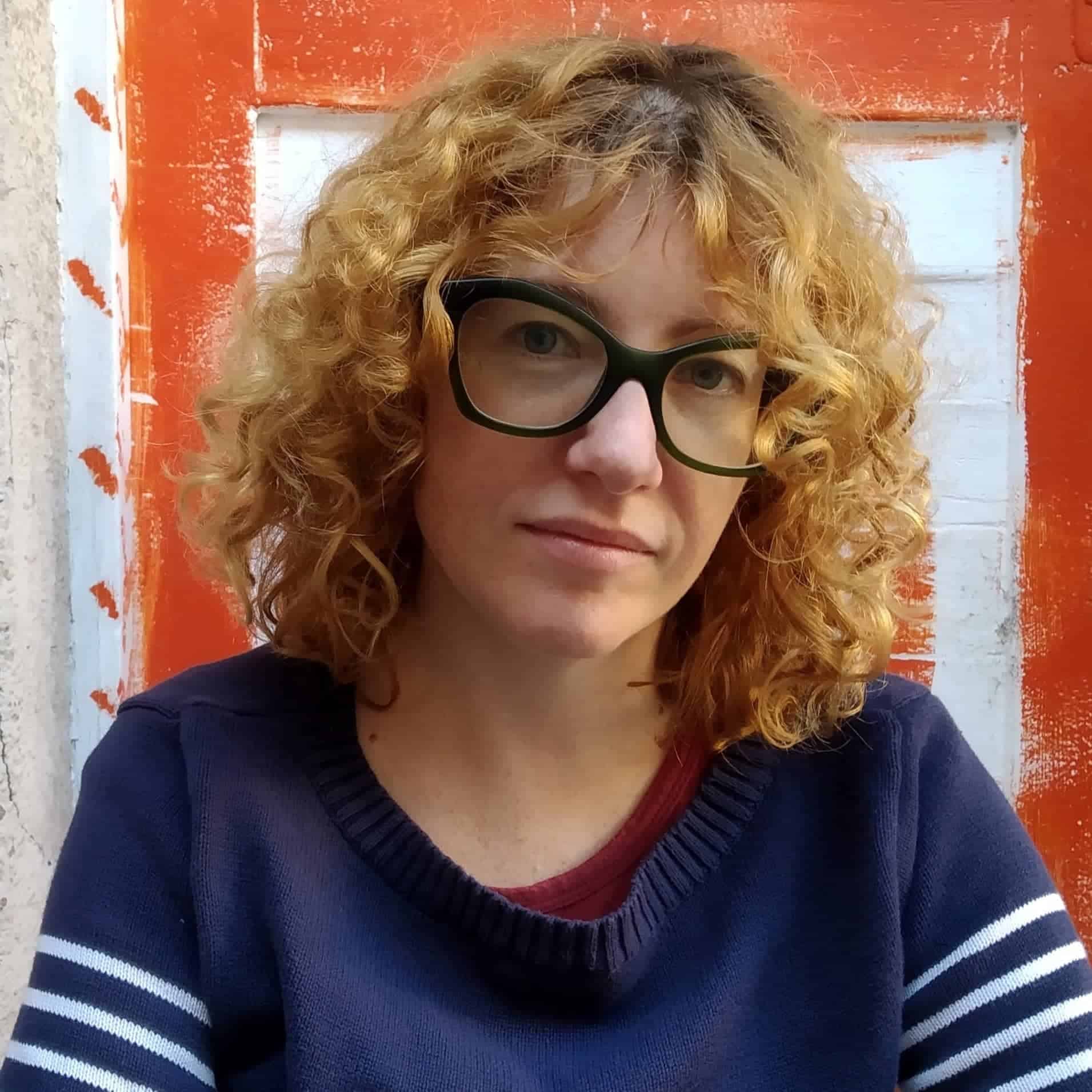
Valeria Graziano
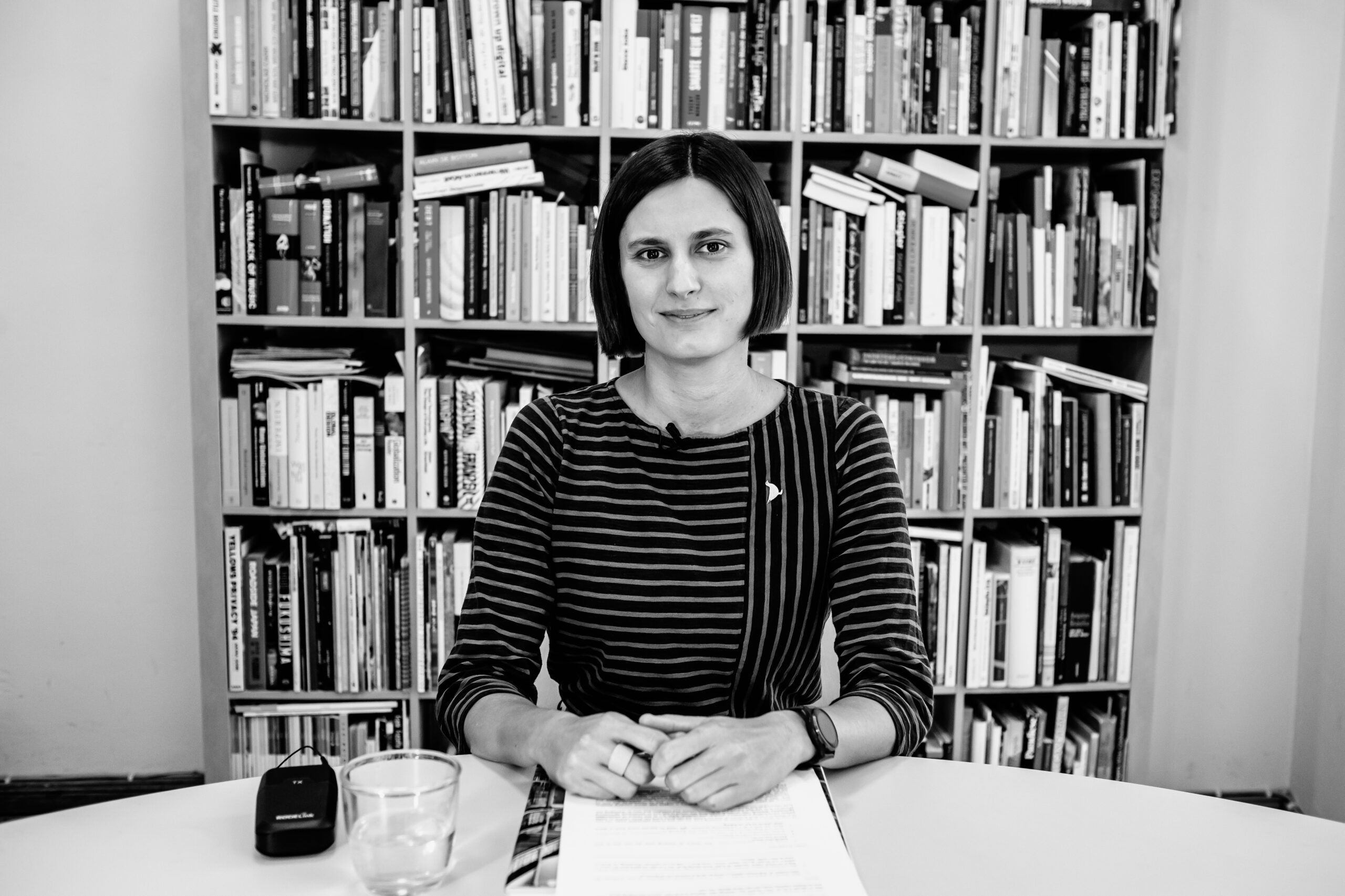
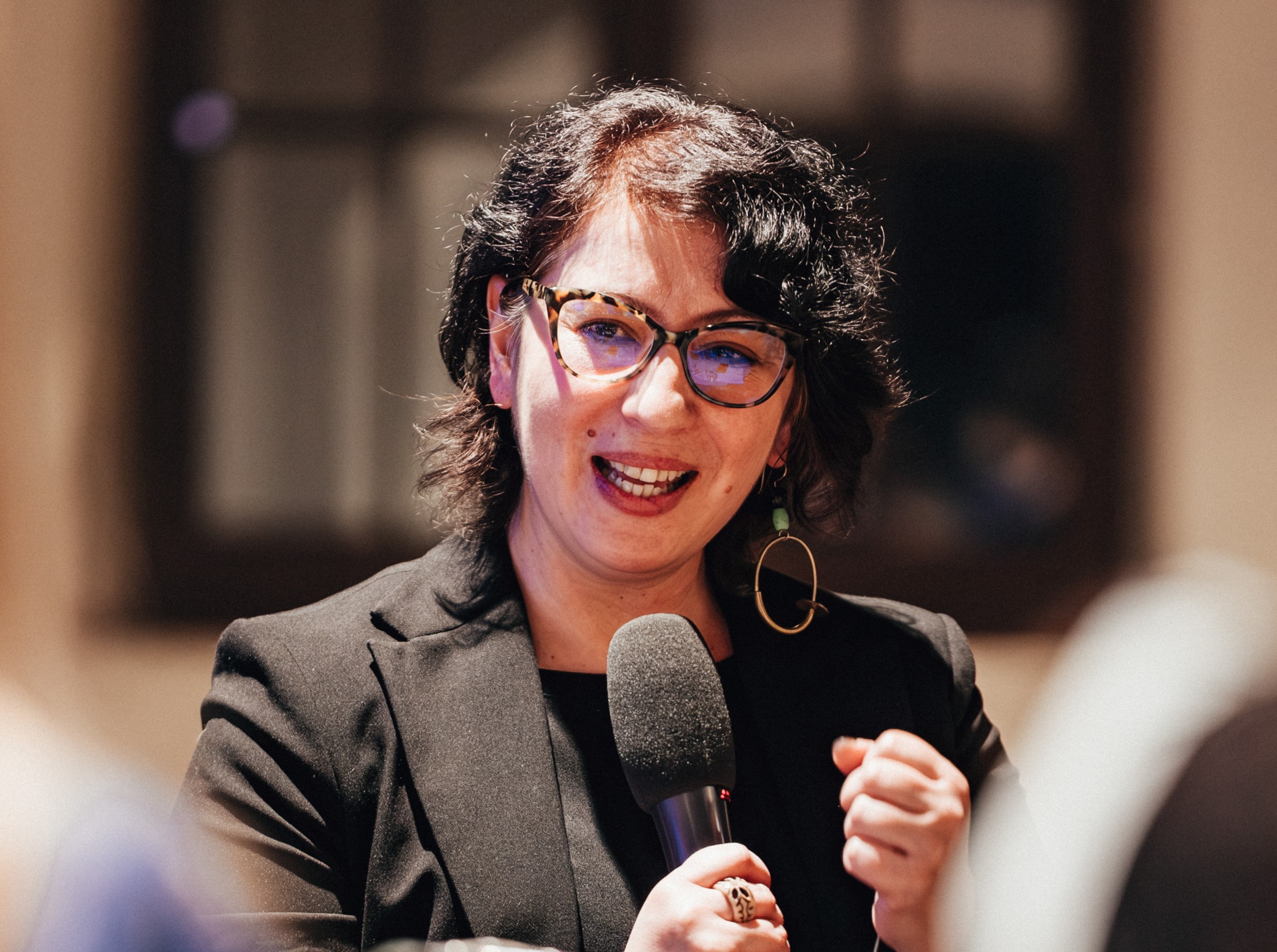
Katarina Kušić
Selma Porobić
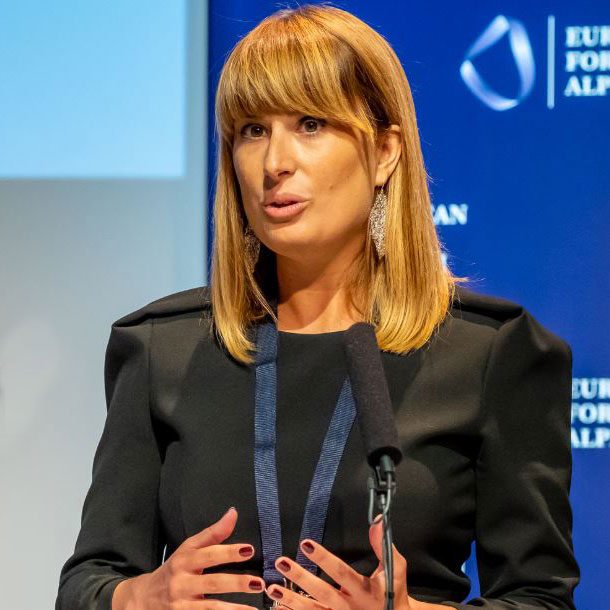
Tena Prelec
Horizon project GEO-POWER-EU

Sonja Stojanović Gajić
Horizon project GEO-POWER-EU


Executive Director
Deputy Executive Director
Horizon project GEO-POWER-EU
Horizon project GEO-POWER-EU

THE NEW INSTITIUTE / Maximilian Glas
Sanja Bojanić is a researcher immersed in the philosophy of culture, media, and queer studies, with an overarching commitment to comprehend contemporary forms of gender, racial, and class practices, which underpin social and affective inequalities specifically increased in modern societal and political contexts.
She is an associate professor at Rijeka’s Academy of Applied Arts.
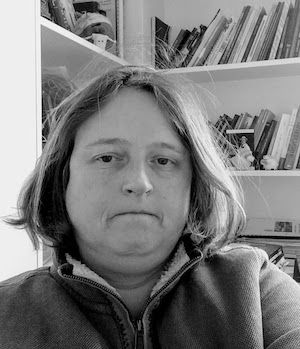
Sarah Czerny is a social anthropologist and works as an Associate Professor at the Department of Cultural Studies, University of Rijeka. She is interested in human/animal relations, particularly human/microbial relations, and anthropological knowledge practices.
Dr. Valeria Graziano is Associate Professor of Interdisciplinary Social Sciences at the Centre for Advanced Studies, University of Rijeka. She works at the intersections of social movements, cultural production and institutional critique. Rooted in operaismo, institutional analysis, feminist and commons-based approaches, Her research examines how collective practice disrupts capitalist productivity by cultivating forms of refusal, care, and conviviality.
Her most recent publication is Pirate Care: Insurgent Acts Against the Criminalization of Solidarity (Pluto Press, 2025). She co-edited Repair Matters (Ephemera, 2019) and has published widely in international journals, including Cultural Politics, Theory & Event, Gender, Work & Organization, and Capitalism, Nature, Socialism. She was a lead researcher for the Creative Europe project Figure it Out: The Art of Living Through System Failures (2022–24) and is part of the Management Committee of the COST Action Toolkit of Care (2022–26). She is also a founding member of TIAN – the Transversal Institutional Analysis Network.
Before joining Rijeka, Graziano held permanent positions at the Centre for Postdigital Cultures, Coventry University, and at the Art and Design Research Institute, Middlesex University. She has also been a DAAD Visiting Junior Professor at the Institute for Applied Theatre Studies, Justus-Liebig University Giessen, and held fellowships at Leuphana University (Germany), Duke University (USA), and the European Institute for Progressive Cultural Politics (Austria).
She earned her PhD in Organization Studies through a collaborative programme between the Business School and the Drama Department at Queen Mary, University of London, supported by a full scholarship, with a thesis on militant conviviality. She previously completed an MA in Visual Cultures at Goldsmiths College, University of London, and a Postgraduate Certificate in Cultural Project Management at the Fitzcarraldo Foundation in Turin.
Her work often takes shape through collaborations with artists, activists, and practitioners, developing collective tools for inhabiting systemic crises otherwise.
Associate Professor
Katarina Kušić investigates themes of improvement and the intersection of material and symbolic domination across several areas. Her research concerns international political ecologies of land, statebuilding and peacebuilding interventions, interpretive and fieldwork-based methods, and post-colonial and decolonial thought. Her monograph Beyond International Intervention: Politics of Improvement in Serbia (2025) investigates post-war reconstruction efforts in South East Europe. She co-edited Fieldwork as Failure (2020) and International Relations Theories: Discipline and Diversity (2024). You can find more about her work at https://www.katarinakusic.com/
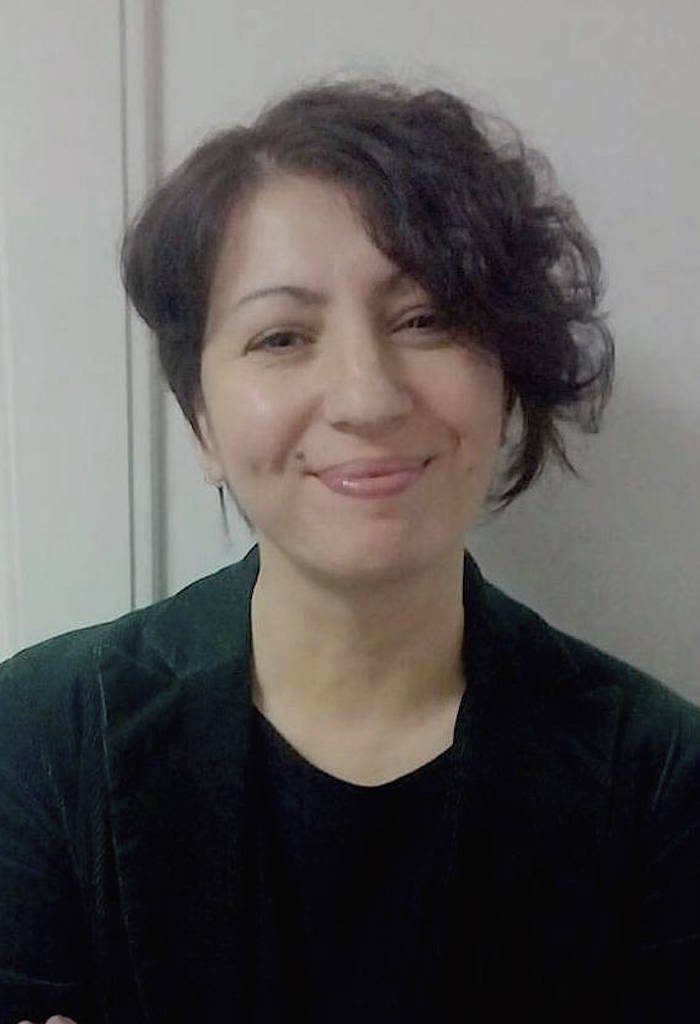
In 2006 she was a Visiting Fellow at the Refugee Studies Centre, at Oxford University. From 2011-2016 she was an executive director of UNHCR’s only research center for refugee and IDP studies in the Western Balkans (CESI). Between 2014-2017 she led the SDC’s RRPP (Fribourg University) 3-year-funded, cross-country project that employed 28 researchers looking into the long-term effects of war-displacement and protracted socio-political transitions in Serbia, Kosovo, and BiH. In 2012 she founded International Summer Schools in Refugee Law and Rights with late, OBE Professor Emerita Barbara Harrell-Bond.
She has taught refugee law, humanitarian studies, psychology, and social anthropology at various universities in Scandinavia, the UK, Western Balkans, and Central Europe.
Selma Porobić holds a Ph.D. degree in migration studies from Lund University in Sweden, combined with postgraduate studies at the American University in Cairo and a professional diploma in International Humanitarian Assistance from Fordham University in New York.
She is currently a program manager of the Aurora European Universities Alliance at the Rector’s office of Palacky University in Olomouc, Czech Republic, and a work package leader for the Capacity Development Program in Central-Eastern Europe, coordinating Ukraine support on behalf of 9 Aurora universities.
She is also an Honorary Research Fellow at University College London and a governing board member of the Research Network ‘Transnational Memory and Identity‘ for the Council for European Studies, Colombia University, New York.
Dr. Porobić has published on a variety of issues focusing on war displacement and post-war recovery with cross-cutting themes of human rights, gender, mental health, and education.
Recently, her research is focused on social trauma in post-conflict societies and peace education. Her latest book, co-edited with Brad Blitz, is entitled Forced Migration, Gender, and Wellbeing. The Long-term Effects of Displacement on Women (Edward Elgar Publishing, UK).
Senior Research Fellow, Horizon project GEO-POWER-EU
Sonja Stojanović Gajić is an experienced researcher and practitioner of security governance and conflict transformation. She has two decades of experience supporting security sector reforms (SSR) and peace-building as a researcher, leader of civil society, and consultant to a number of organizations in Wider Europe, Central Asia and the Middle East. She specializes in participatory research, capacity-building, strategic planning, evaluation and facilitation of multi-stakeholder dialogues among security and justice professionals, civil society and politicians.
Sonja holds a PhD in International Relations from the University of Belgrade. She was the director of the Belgrade Centre for Security Policy (BCSP) (2006-2019) and previously taught security studies at the Faculty of Political Science, the University of Belgrade. Her recent publications include Stojanović Gajić, S. and D. Pavlović (2021), State Capture, Hybrid Regimes and Security Sector Reform, Journal of Regional Security, 16(2):89-126. and editing of Special issue on State Capture and Security, Journal of Regional Security, 16(2); Stojanović Gajić, S. and Ejdus, F. (eds.) (2018). Security Community Practices in the Western Balkans. London: Routledge.