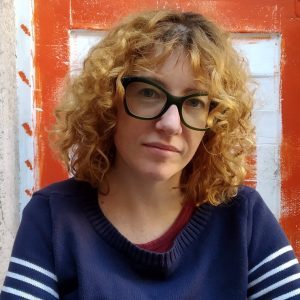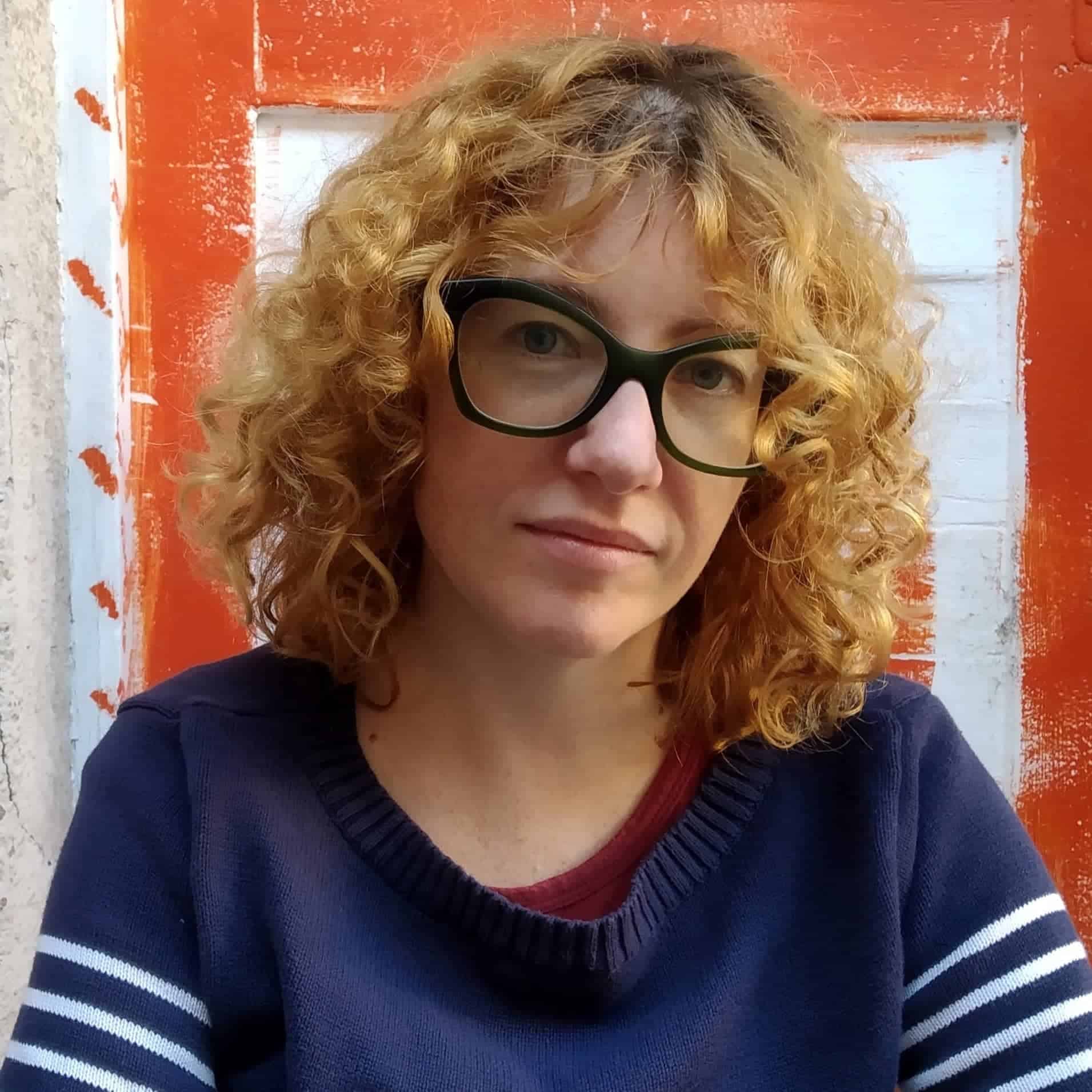

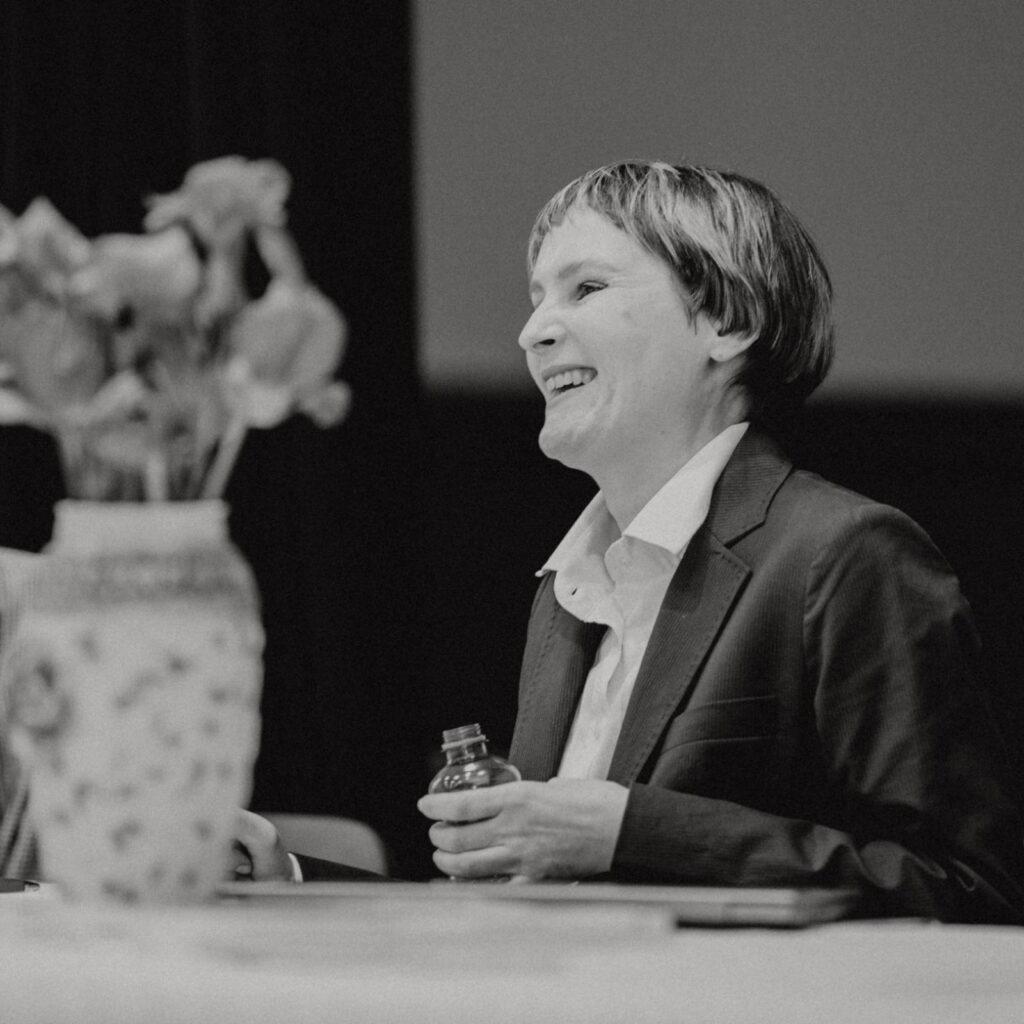
Andreja Malovoz gained her degrees in Archaeology and Archaeological Computing from the University of Gothenburg (Sweden) and defended her doctoral thesis at Heidelberg University (Germany) in 2019. Prior to this, she worked as a Curator of Archaeology at the Županja Museum where she had an opportunity to conduct a number of research projects in the Eastern Croatian region of Slavonija. With aim of intensifying archaeological research in this remote area and provoking general interest in its archaeological and natural heritage, in 2014 her colleagues and she founded a local archaeological non-profit association Udruga za arheološka istraživanja spačvanskog krajolika (UAISK).
Andreja has worked with a number of museums in setting up both permanent and temporary exhibitions and her publications interrogate the nature of landscape construction as a social phenomenon in the Bronze Age.
In 2022, she joined CAS SEE as Head of the Programme Activities at the Moise Palace in Cres, thus embarking on her brand-new island adventure.

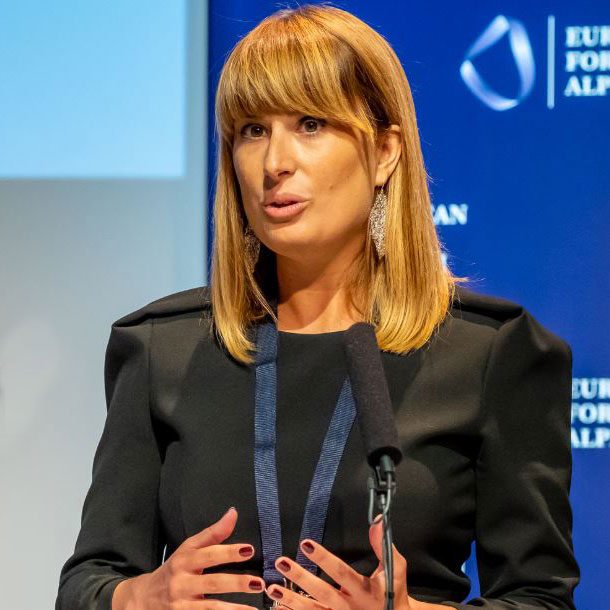
Tina Perić holds a Master’s degree in Cultural Studies from the Faculty of Humanities and Social Sciences at the University of Rijeka (FFRI).
During her academic journey, she explored the intersections between art, individual and collective memory, and processes of healing in the context of traumatic experiences. This research sparked a deep interest in embodied topics, leading her toward performing arts, gender studies, and somatic approaches to well-being.
With extensive experience in the cultural sector, she has developed strong organizational and multitasking skills, along with a calm and grounded approach to administration and coordination.
Tina is a birth and postpartum doula, actively engaged with the Croatian Doula Association. Her work as a doula complements her long-standing interest in care work, feminist perspectives on the body, and the politics of reproductive health. She is a member of the artistic organization Kabinet, and was previously the co-editor of the fanzine .Drugost.

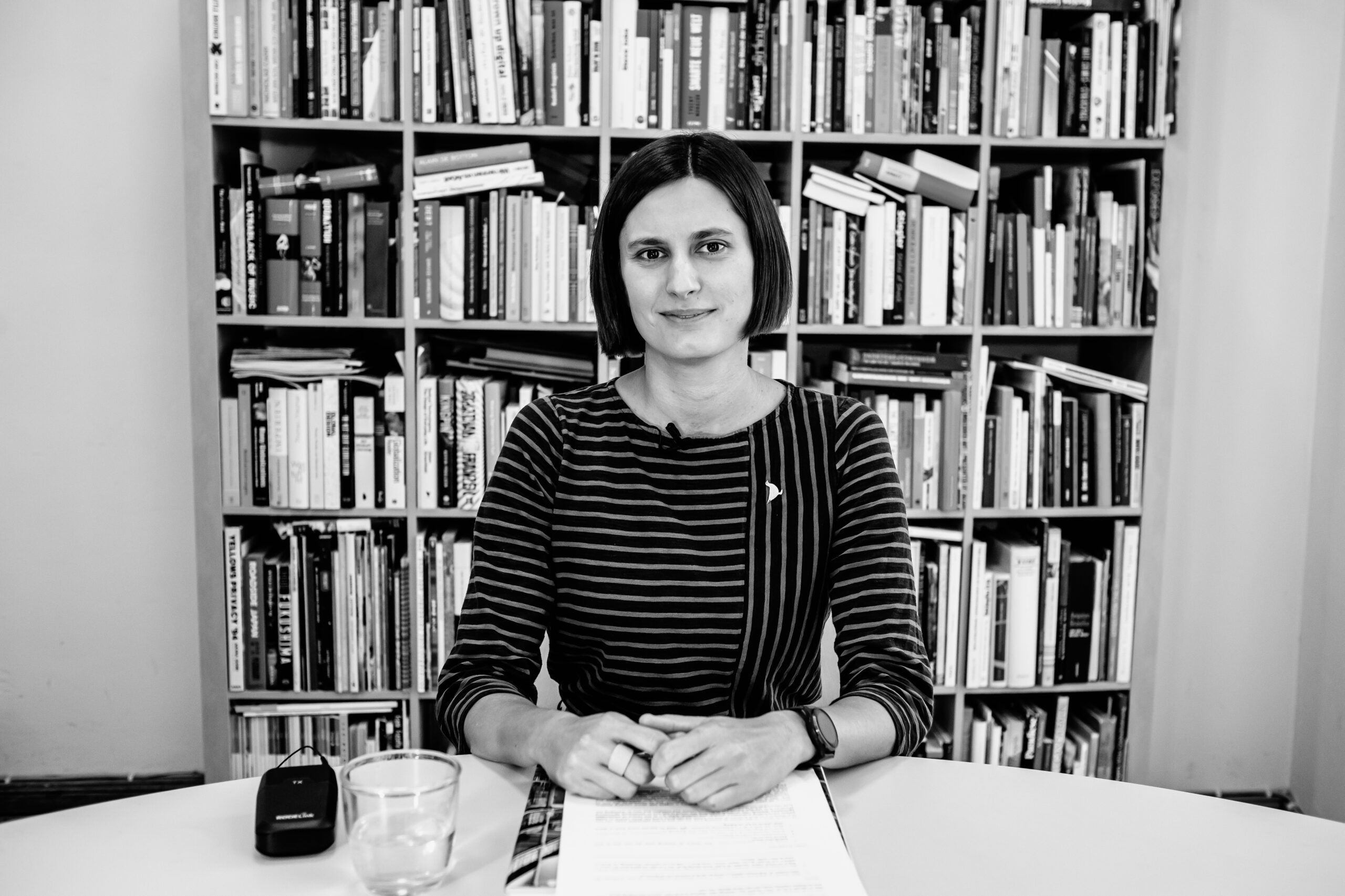
Dr. Valeria Graziano is Associate Professor of Interdisciplinary Social Sciences at the Centre for Advanced Studies, University of Rijeka. She works at the intersections of social movements, cultural production and institutional critique. Rooted in operaismo, institutional analysis, feminist and commons-based approaches, Her research examines how collective practice disrupts capitalist productivity by cultivating forms of refusal, care, and conviviality.
Her most recent publication is Pirate Care: Insurgent Acts Against the Criminalization of Solidarity (Pluto Press, 2025). She co-edited Repair Matters (Ephemera, 2019) and has published widely in international journals, including Cultural Politics, Theory & Event, Gender, Work & Organization, and Capitalism, Nature, Socialism. She was a lead researcher for the Creative Europe project Figure it Out: The Art of Living Through System Failures (2022–24) and is part of the Management Committee of the COST Action Toolkit of Care (2022–26). She is also a founding member of TIAN – the Transversal Institutional Analysis Network.
Before joining Rijeka, Graziano held permanent positions at the Centre for Postdigital Cultures, Coventry University, and at the Art and Design Research Institute, Middlesex University. She has also been a DAAD Visiting Junior Professor at the Institute for Applied Theatre Studies, Justus-Liebig University Giessen, and held fellowships at Leuphana University (Germany), Duke University (USA), and the European Institute for Progressive Cultural Politics (Austria).
She earned her PhD in Organization Studies through a collaborative programme between the Business School and the Drama Department at Queen Mary, University of London, supported by a full scholarship, with a thesis on militant conviviality. She previously completed an MA in Visual Cultures at Goldsmiths College, University of London, and a Postgraduate Certificate in Cultural Project Management at the Fitzcarraldo Foundation in Turin.
Her work often takes shape through collaborations with artists, activists, and practitioners, developing collective tools for inhabiting systemic crises otherwise.


Senior Research Fellow, Horizon project GEO-POWER-EU
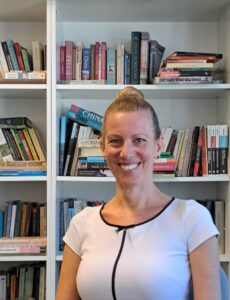
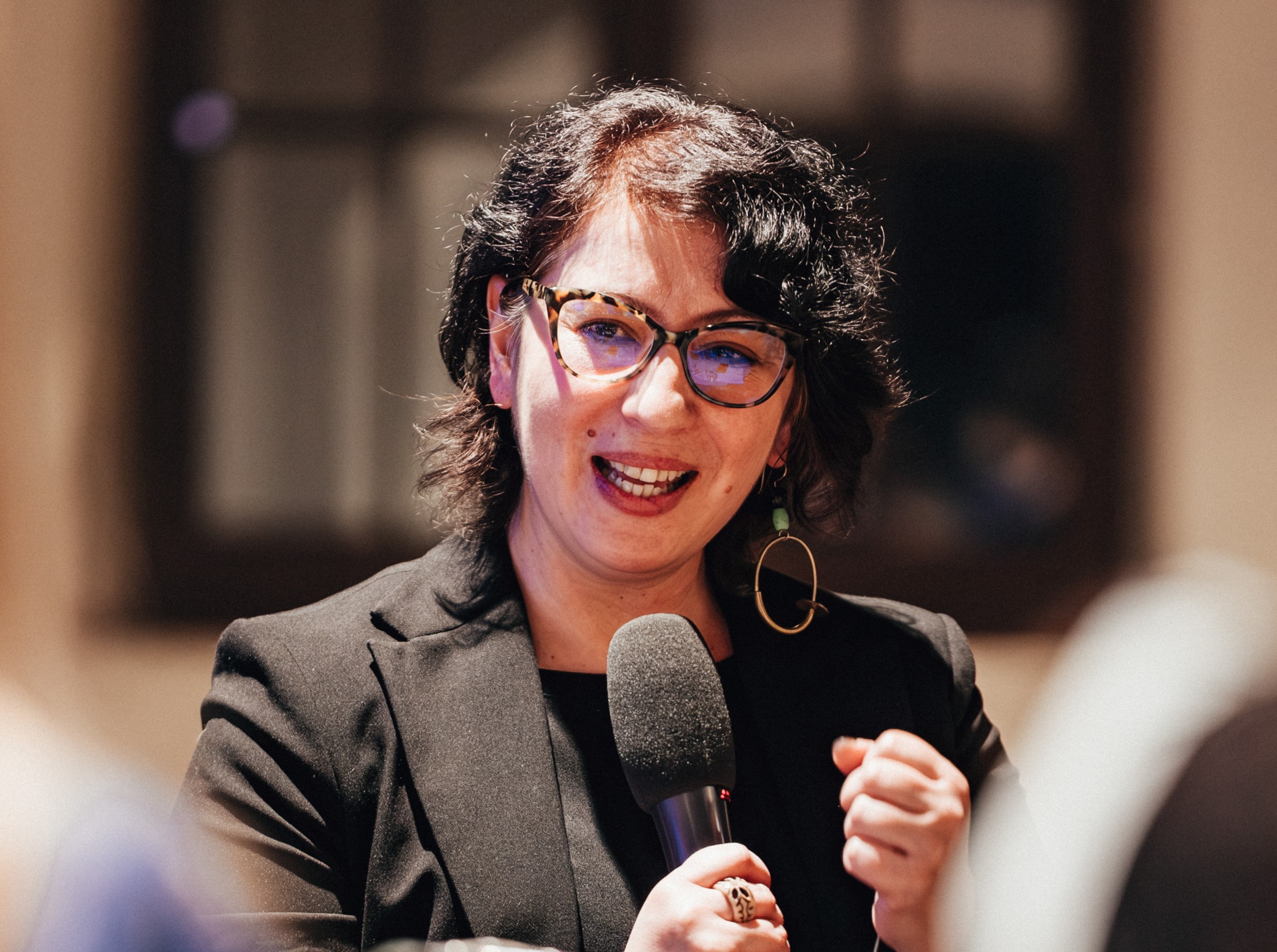
Sonja Stojanović Gajić is an experienced researcher and practitioner of security governance and conflict transformation. She has two decades of experience supporting security sector reforms (SSR) and peace-building as a researcher, leader of civil society, and consultant to a number of organizations in Wider Europe, Central Asia and the Middle East. She specializes in participatory research, capacity-building, strategic planning, evaluation and facilitation of multi-stakeholder dialogues among security and justice professionals, civil society and politicians.
Sonja holds a PhD in International Relations from the University of Belgrade. She was the director of the Belgrade Centre for Security Policy (BCSP) (2006-2019) and previously taught security studies at the Faculty of Political Science, the University of Belgrade. Her recent publications include Stojanović Gajić, S. and D. Pavlović (2021), State Capture, Hybrid Regimes and Security Sector Reform, Journal of Regional Security, 16(2):89-126. and editing of Special issue on State Capture and Security, Journal of Regional Security, 16(2); Stojanović Gajić, S. and Ejdus, F. (eds.) (2018). Security Community Practices in the Western Balkans. London: Routledge.

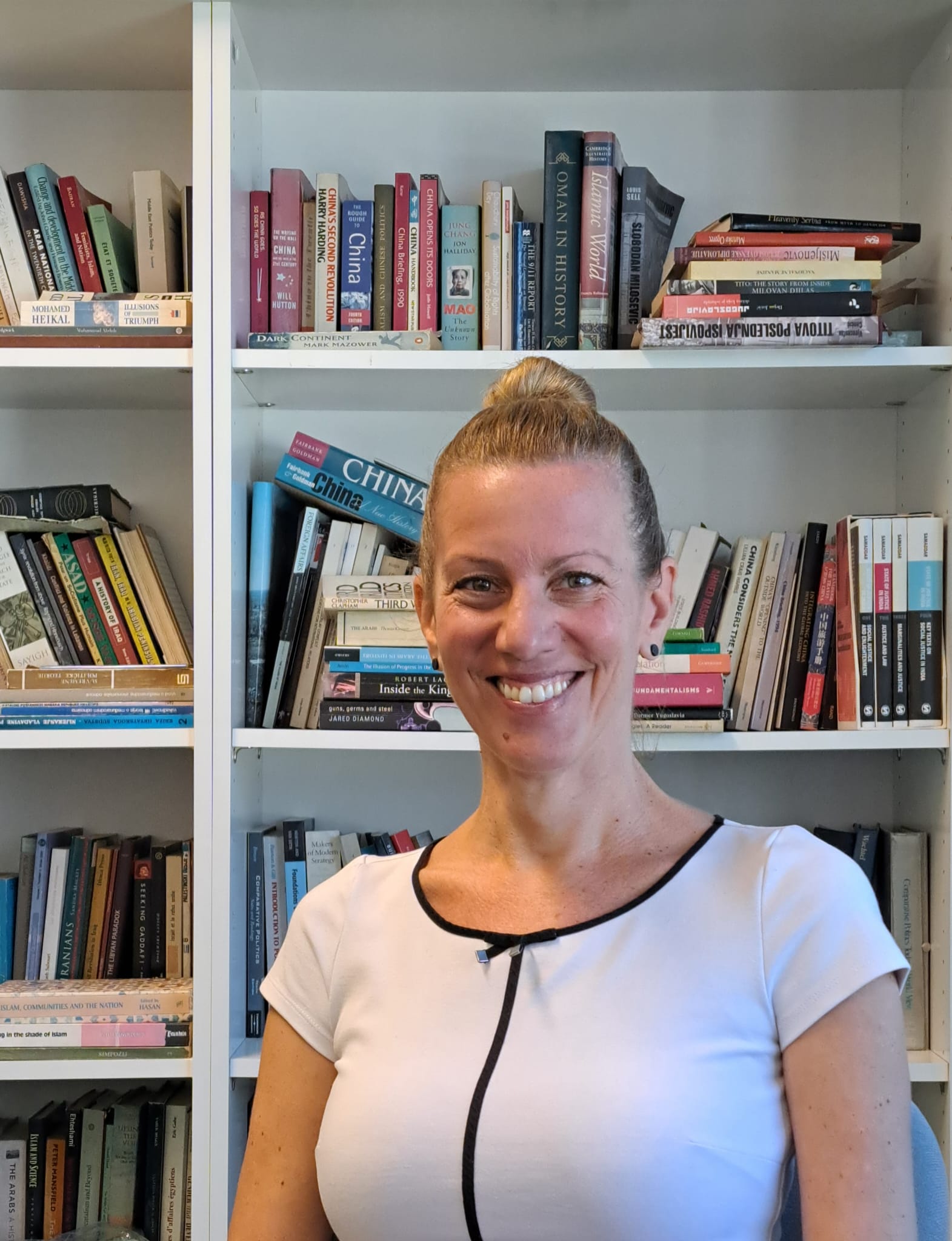
Stefania Petris is a Financial Assistant at the Regional Network of Centres for Advanced Studies in Southeast Europe (RECAS) and a team member at the Center for Advanced Studies (CAS-UNIRI). She graduated from the Faculty of Economics in Rijeka, specializing in Entrepreneurship. Her career began in the private sector, where she gained substantial experience in financial management and analysis. Through her work, she developed expertise in budgeting and strategic planning, supported by a strong analytical approach and a proven ability to foster financial stability and growth.

Associate Professor
Katarina Kušić investigates themes of improvement and the intersection of material and symbolic domination across several areas. Her research concerns international political ecologies of land, statebuilding and peacebuilding interventions, interpretive and fieldwork-based methods, and post-colonial and decolonial thought. Her monograph Beyond International Intervention: Politics of Improvement in Serbia (2025) investigates post-war reconstruction efforts in South East Europe. She co-edited Fieldwork as Failure (2020) and International Relations Theories: Discipline and Diversity (2024). You can find more about her work at https://www.katarinakusic.com/

Associate Professor
Selma Porobić is an interdisciplinary social scientist whose research focuses on forced migration, social trauma, and post-conflict recovery, with particular attention to education, gender, and psychosocial wellbeing in societies affected by displacement and war. Her work integrates perspectives from migration studies, psychology, social anthropology, and human rights to examine how individuals and communities rebuild social life after conflict. She holds a PhD in Migration Studies from Lund University (Sweden) and has undertaken further academic training at the American University in Cairo and Fordham University (New York). She has held visiting and honorary research positions at the Refugee Studies Centre, University of Oxford, the Institute of Education, University College London, and the Centre for Advanced Studies of Southeast Europe, University of Rijeka.
Her academic career combines research, teaching, and institutional leadership across European higher education systems. She has taught migration studies, refugee law, humanitarian work, psychology, and social anthropology across Europe. Her work has been published in journals including Journal of Contemporary European Studies, International Migration, Südosteuropa, and the Croatian Journal of Social Policy, as well as in edited volumes with Routledge, Springer, Hart, Bloomsbury, and Edward Elgar.

Eleni Maria (Elina) Sifaki is a Sociology student at the University of Crete, Greece. She is currently doing her internship through the Erasmus program at the CAS SEE, where she is researching the post-industrial cultural heritage of Rijeka. Her interests include a variety of fields such as cultural anthropology, gender studies and classical social theory, and her endeavors strive to investigate these topics within the cultural stories of Rijeka.

Magdalini Spyridon is an undergraduate student at the University of Crete, Greece. She studies at the Department of Sociology. She is currently an Erasmus intern at CAS SEE where she is researching the post-industrial cultural heritage of Rijeka. During her academic years, she worked on issues and subjects such as gender identity and cultural anthropology, which continue to interest her during her CAS SEE internship.

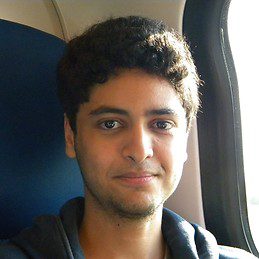
Othmane Tabit is a second year, Master’s student of Geopolitics at the University of Reims, with a bachelor’s background in geography and architecture. He wrote his thesis about the sustainability of the political status quo in Israel-Palestine, and he also has a great interest in Southeastern Europe (where he studied, volunteered and is currently interning), as well as the wider Euro-Mediterranean region. He focuses on themes such as international borders, territorial conflicts, migration, identity politics, and language policy.

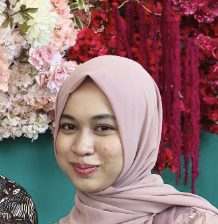
During her Erasmus Traineeship period (2023), Syifa Hasanah was a recent graduate from Nicolaus Copernicus University, Poland with her Master’s studies in Cognitive Science. Previously, she pursued her Bachelor’s at Bandung Institute of Technology, Indonesia. She is keen to contribute in the area which brings goodwill to people. Yet, her priority is in healthcare and education. She perceives the Product field, especially in Product Management, as her tool to take action. She believes the field has a higher control to make ideas happen. Therefore, she proposed to improve CAS SEE’s digital platform to make the voices of the centre echo further. She embraces opportunities to connect and offer assistance to others whenever possible. She attempts to be active on her WordPress and is reachable on her LinkedIn.